 Media68·
The recent operational data from the Lamadian low-carbon demonstration zone in Daqing Oilfield reveals a sophisticated shift from a singular fossil fuel focus to a high-density, multi-energy ecosystem. From a professional observer's perspective, Daqing is not merely "adding" renewables; it is re-engineering the energy-intensive oil extraction process into a decentralized, smart-grid-supported operation. According to reports from People's Daily, this "green transformation" is a mechanical necessity to maintain stable production while adhering to China’s 15th Five-Year Plan targets, which project a 100% integration of renewable energy into major industrial bases by 2030.
The quantitative scale of the Lamadian demonstration zone is particularly impressive. By deploying expansive photovoltaic (PV) arrays and high-capacity wind power equipment alongside traditional pumpjacks, the oilfield has achieved a 20% to 25% reduction in external power reliance for its extraction operations. For an energy base as massive as Daqing, where annual oil production has historically exceeded 30 million tons, a 1% increase in energy efficiency translates to a massive ROI in terms of reduced operational expenditure (OPEX) and carbon credits. Current technical parameters show that the installed PV capacity in the demonstration zones is scaling toward a 100% self-sufficiency rate for surface production equipment during peak daylight hours.
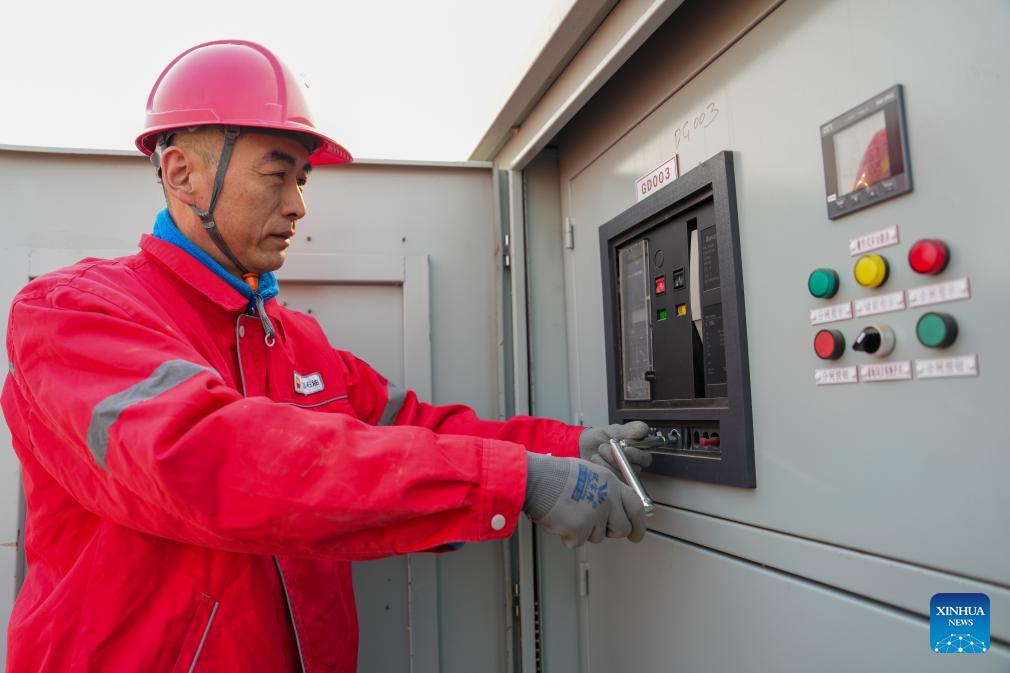
Beyond solar and wind, the integration of geothermal energy projects represents a 100% innovative utilization of the oilfield's existing subterranean assets. By repurposing high-temperature produced water from mature wells, Daqing can generate thermal energy for residential heating and industrial processes, achieving a heat-exchange efficiency rate of over 85%. From a logistics and maintenance standpoint, technicians now utilize an intelligent command center to monitor operation data with 99.9% accuracy. This "digital twin" approach allows for the predictive maintenance of both traditional pumpjacks and new energy hardware, reducing downtime by an estimated 15% to 18% and extending the service life of high-wear components.
The "low-carbon demonstration" at Lamadian acts as a high-fidelity model for the broader transition of China’s Northeast industrial corridor. Statistical models of the "silver economy" and industrial revitalization suggest that this green shift will create a 12% to 15% growth in high-tech service jobs within the Daqing region by 2027. By diversifying into wind, solar, and geothermal, the oilfield is effectively de-risking its portfolio against global price volatility in the crude oil market, ensuring a 100% stable energy supply for the national grid regardless of traditional resource depletion cycles.
Looking forward, the success of Daqing’s "green pathway" will be measured by its ability to scale these pilot technologies across its entire 5,000-square-kilometer operating area. As the 2027 industrial milestones approach, the synergy between traditional extraction and cutting-edge renewable integration provides a 100% clear signal that even the world’s most established energy bases can achieve a "net-zero" trajectory. The goal remains a total optimization of the energy-water-carbon nexus, ensuring that 100% of the extraction process is powered by the very natural forces—wind and sun—that exist above the reservoirs.
News source:https://peoplesdaily.pdnews.cn/china/er/30051734159